Photograph
Nº 01
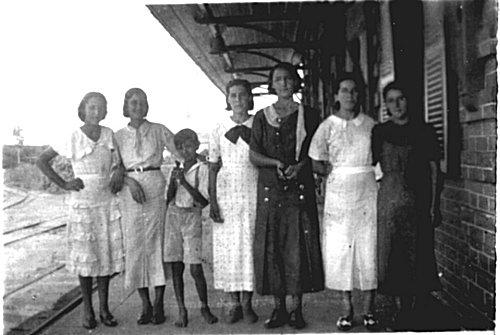

Long before the coffee, there was the train whistle.
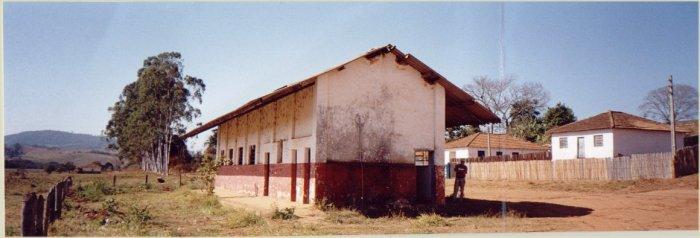
Fazenda Movimento, in Areado, in southern Minas Gerais, takes its name from the station that, from 1908 on, linked this land to the rest of Brazil.
The journey through the history of Fazenda Movimento departs from the old station that gave the farm its name. Punch your ticket to board.

Fazenda Movimento
Rede Sul-Mineira, passenger ticket no.
From
Estação Movimento
Km 331, opened 1908
To
Fazenda Movimento
Areado, Minas Gerais, 2026
Passenger
Date
Boarding
Seat
On April 25, 1823, in a clearing cut into the forest, Father Venâncio José Siqueira said the first Mass of the village of São Sebastião do Areado. The first settlers tried wheat and rye; what took hold were sugarcane, tobacco and cotton, with cattle on the side.
Meanwhile, the rails were drawing closer to southern Minas. By 1884 the Estrada de Ferro Minas e Rio already linked Cruzeiro to Três Corações; in 1887 the Estrada de Ferro Muzambinho began running west from Três Corações. The whistle would soon reach Areado.
1823
First Mass of the village of São Sebastião do Areado
1871
The village becomes a district, part of Alfenas
1884
E. F. Minas e Rio: Cruzeiro to Três Corações
1887
E. F. Muzambinho begins operating
On December 4, 1908, the tracks of the Cruzeiro–Juréia line reached this part of Areado, and with them came a small station named Dr. João Pinheiro.
The name did not last. There were already two stations by that name in the country, so the stop was given another, truer to what happened on its platform: Movimento, “movement.” For those who lived there, the name “surely came from the commercial bustle of the region, boosted by the railway.”
StationMovimento
formerly Dr. João Pinheiro
Movimento Station archive
Item 1 of 4
Photograph
Nº 01
Around the station grew a village of houses along the tracks and the road between Alterosa and Areado. The same surnames repeated from door to door: Cabral, Coelho, Moreira, Nogueira, Silva, Pio da Silva.
Strolling on the platform at train time was the weekend outing. Only the feasts of the Santa Luzia church drew a bigger crowd.
Movimento Station documents
Item 1 of 2
Timetable
Nº 01
Passenger train timetable
Movimento Station, Rede Sul-Mineira
| Time | To | Train |
|---|---|---|
| 06:00 | Três Corações | Passenger |
| 12:00 | Juréia | Mixed, the “almofadinha” |
| 15:00 | Três Corações | Mixed |
| 19:30 | Juréia | Passenger |
After the 7:30 p.m. train, people decided where the night's party would be: a dance with guitar, violin and tambourine, in someone's house or in the station warehouse itself. Sometimes the railway trolley carried the musicians and their instruments there.
“Because of that liveliness, the constantly festive mood and the community's knack for improvising, Movimento became famous and left its mark on an era.”
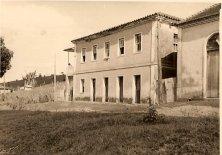
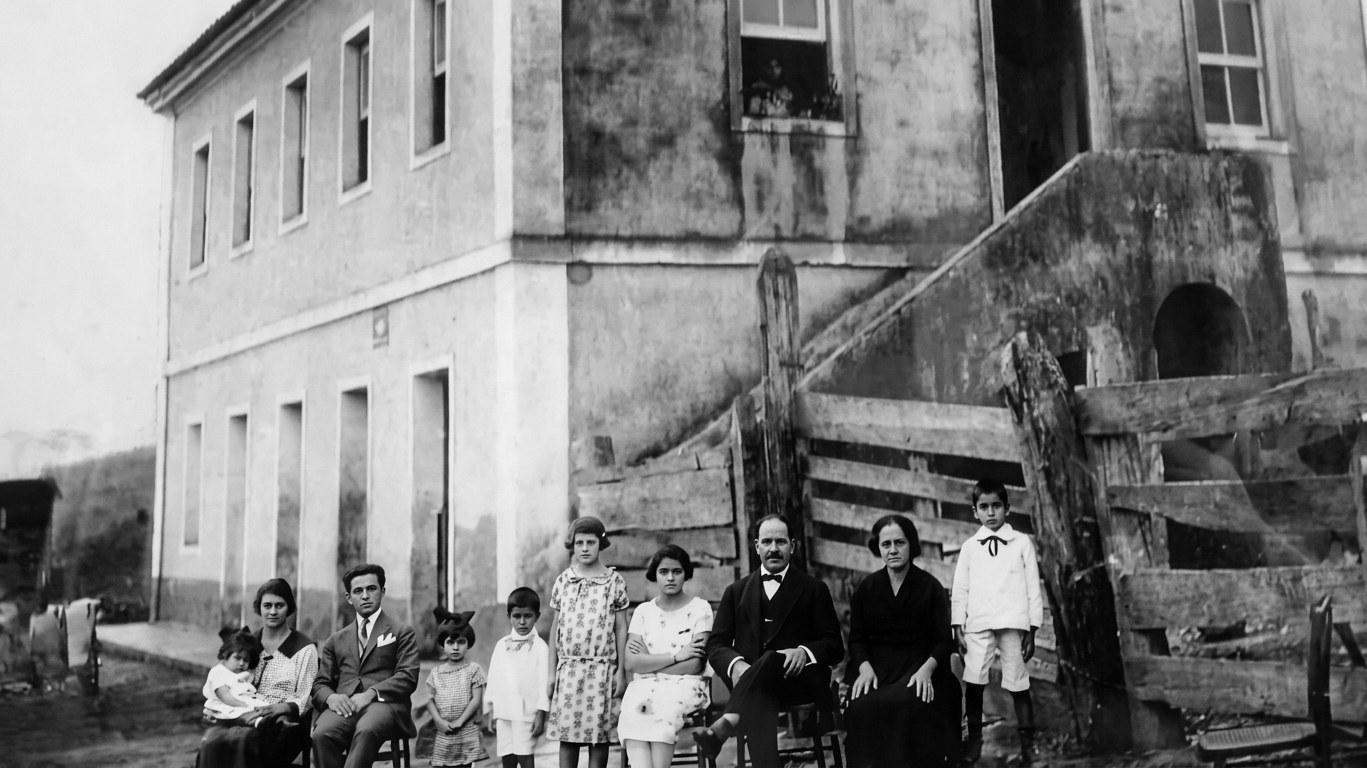
Next to the station stood the Moreira family's two-story house, which the neighbors called Uncle João's manor house. Two floors, a row of windows and a staircase climbing up the side.
In the photograph, from the 1920s, the family poses in front of the staircase and the wooden gate. Almost a hundred years later, a drawing of this same house became the emblem of Fazenda Movimento.

Photographs of the manor house
Item 1 of 3
In the 1950s word came that the reservoir of the Furnas dam would cover much of the region. Many landowners did not believe it. But train traffic dwindled, and by the mid-1960s passenger trains no longer ran between Varginha and Juréia.
The station was closed and later torn down. What remained were the Santa Luzia church, the Moreira two-story house, the platform, the bridge pillars and the name.
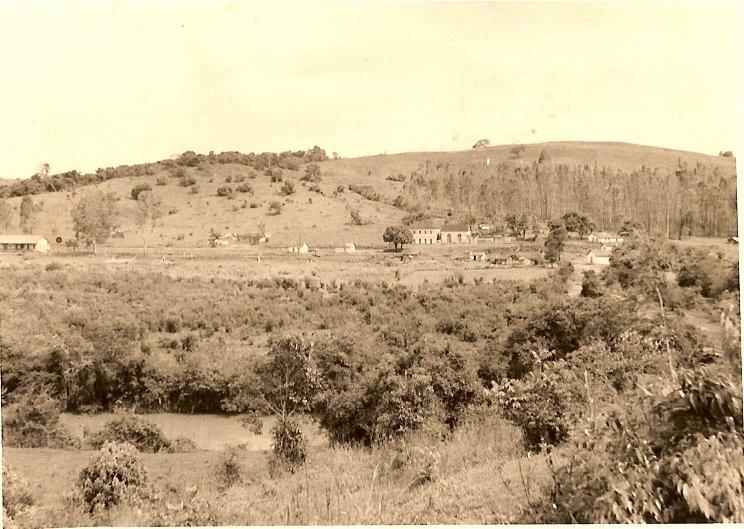
Illustrative depiction of the valley, not to scale.
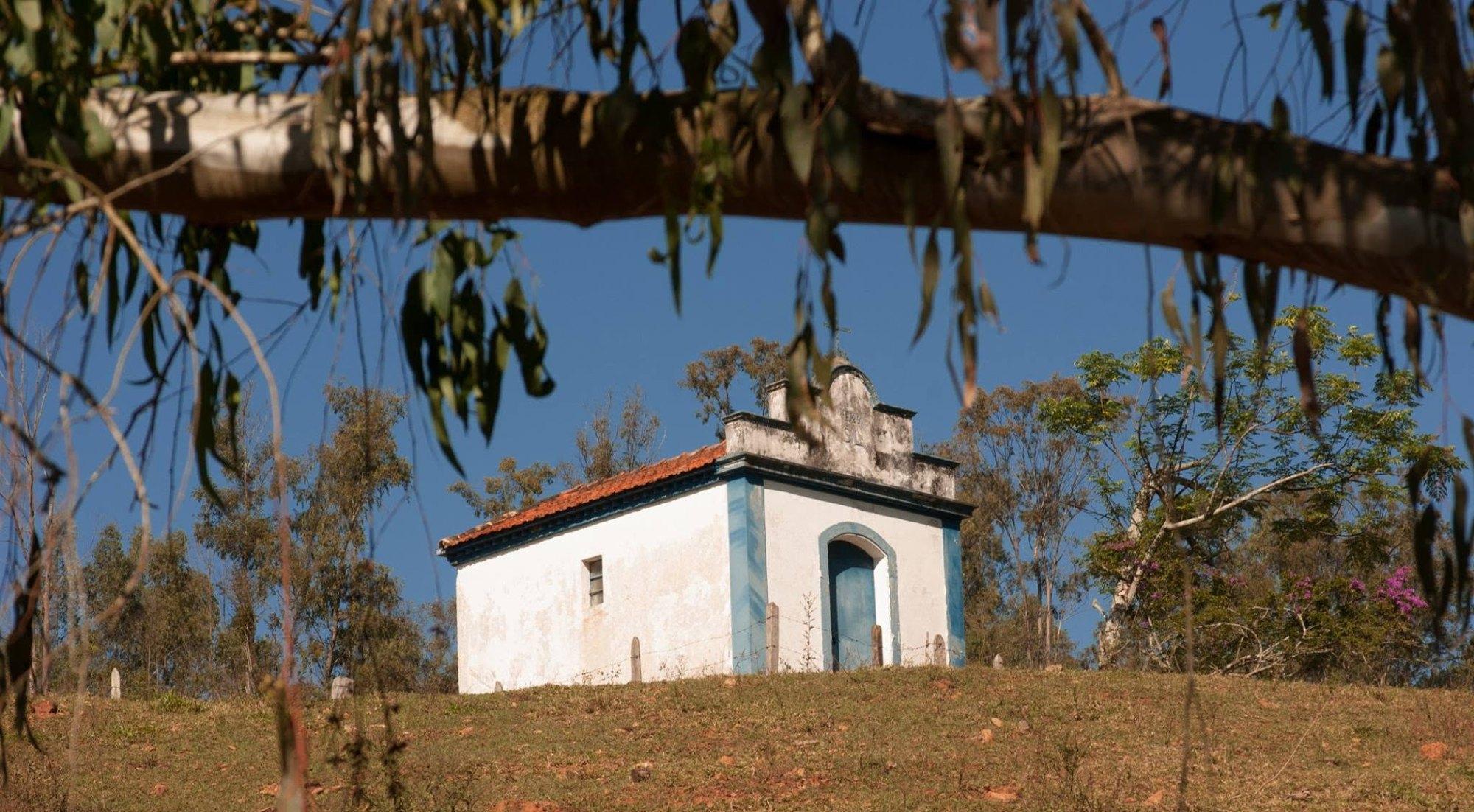
High on the hill, above the tracks, stands the small chapel of Santa Luzia, Saint Lucy, protector of the eyes. Old residents say a blind man built it to fulfill a vow and, once the work was done, could see again.
Its feast days brought together the families of the station and the surrounding farms, Amauri da Silva Moreira recalled. When the Furnas lake covered the valley, the chapel was spared, kept safe by its height, and it still stands.
A hundred years passed through the valley. The chapel stayed to tell of it.
In 1985 Nelson Barbosa de Lima bought the farm from the heirs of the Moreira family. Along with the land around the old station came the manor house, already worn by time, and the name the place carried.
The family restored the manor house, and the land began to grow potatoes. Nelson worked the fields with his sons, Luiz Fernando and Nelson Luiz Ribeiro de Lima, known as Nelsinho. It was a time of hard work, of a full house on weekends and of a white F-1000 going up and down the Alterosa road.
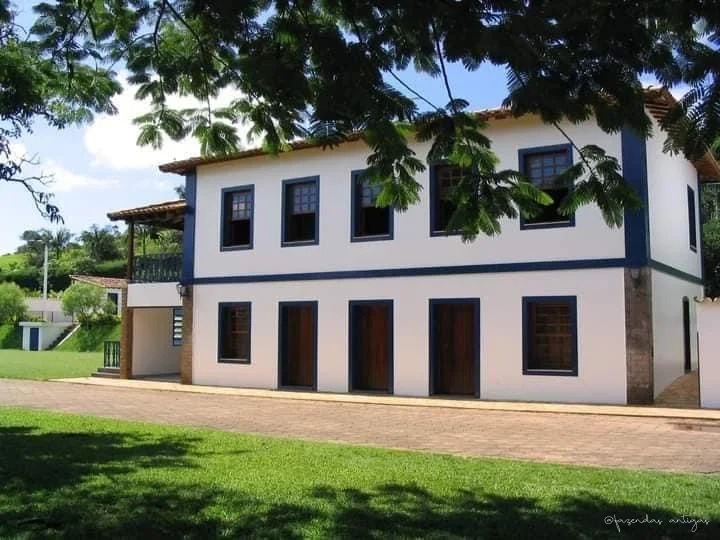 Before the restorationToday
“On 09/28/2003 I visited the old Movimento station (I'm from Areado, you see) and was very impressed by a farmer who bought the area and restored the station and warehouse, keeping all their original features and turning it into a beautiful farmhouse with white walls and blue windows.”
The turn to coffee was born of loss. Potato prices collapsed and the crop no longer paid, on soil already worn out by decades of the same planting. The family also felt the absence of Nelsinho, who died in a car accident in 1999.
In 2007 the farm began growing coffee. Before the first planting, the family visited coffee farms in Minas Gerais, Bahia and Espírito Santo, and the choice was a rare one in the region: growing coffee with brachiaria grass between the rows, to protect the soil. In December 2007 the first seedlings went into the field, and the first harvest came in 2009.
Nelson followed those first years of the crop on the land he had bought. From 2010 on he faced health problems, and he passed away in 2012.
“I went into coffee growing as a way to give the farm's business more solid footing.”
2007
The decision: trading potatoes for coffee
2009
First harvest
2012
Partnership with Emater-MG on cover crops
2014
The coffee gets through the summer dry spell without irrigation
2018
10 years of regenerative agriculture
With Certifica Minas Café certification and selective harvesting in microlots, the farm's coffee began scoring above 82 points on the specialty coffee scale. It reached coffee shops in São Paulo, Brasília, Porto Alegre and Curitiba, and buyers in Europe, the United States and Korea.
1st place
Pulped natural, Sul de Minas. 10th Minas Gerais State Coffee Quality Competition, Emater-MG and UFLA, 2013.
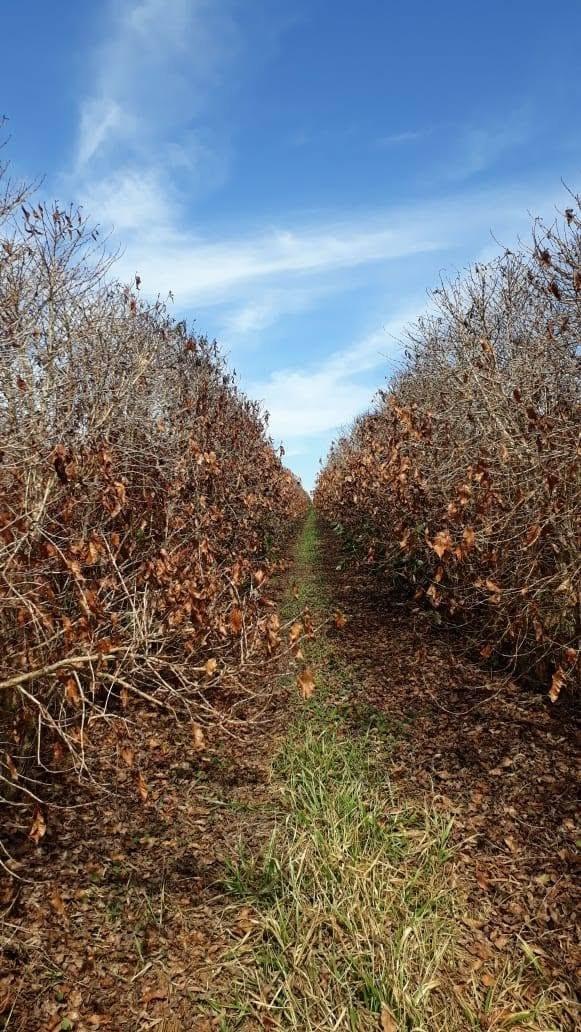
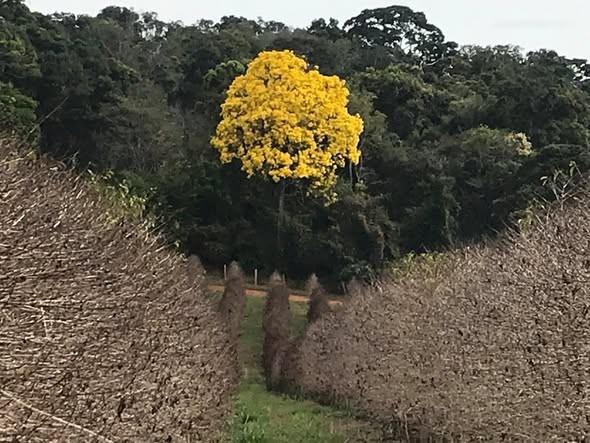
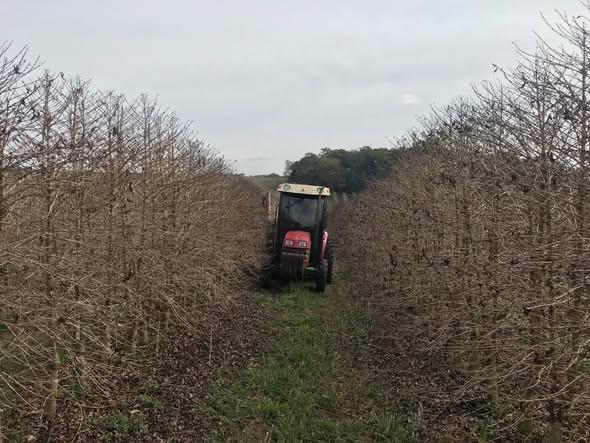
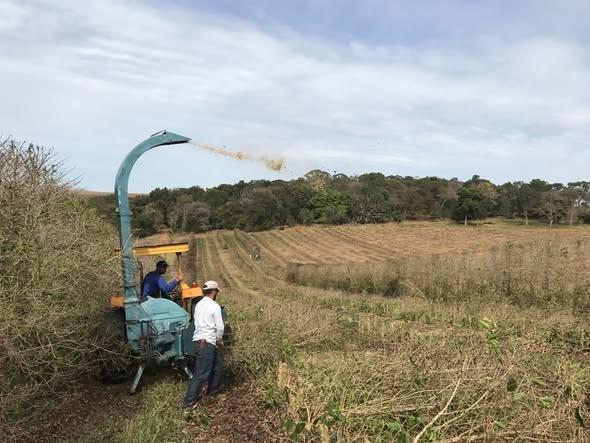
In July 2019 frost struck the fields. The coffee trees were given a skeleton pruning, the plantation was rebuilt from the trunks, and the farm recorded the contrast: on one side the green of the year before, on the other the yellow and brown of the burn.
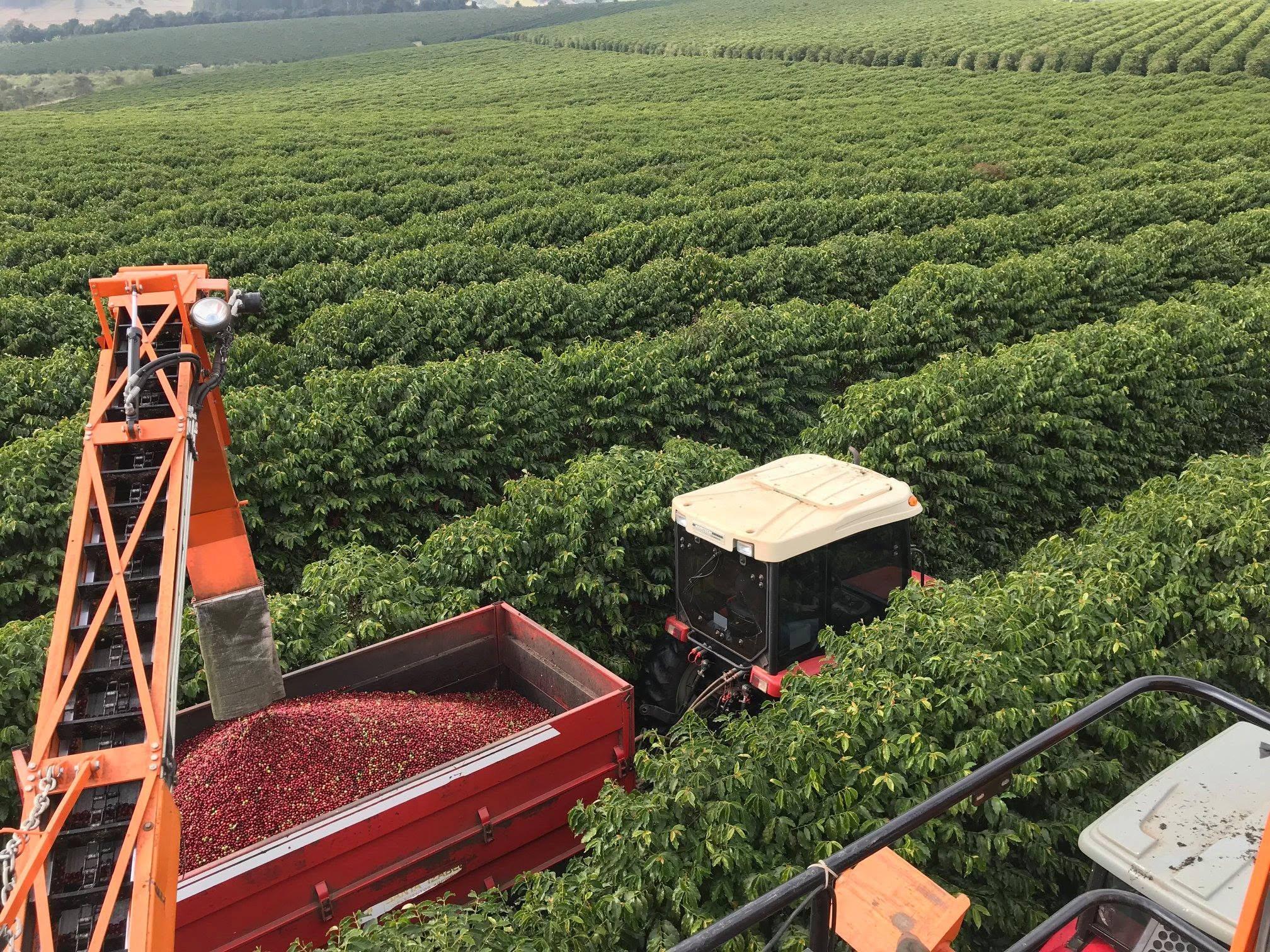
In July 2021 another came, stronger, and brought mourning to the coffee region of Minas. After two years of care, the harvest filled the trailers again.
The coffee came back smaller. From 107 hectares and about 570,000 trees, it went down to 72 hectares and about 350,000 trees. In the plots that were not replanted, the unpredictable climate keeps the risk of another burn high, and there the farm now rotates soybeans, beans and corn.
“I waited two years, tending, rebuilding... but it was worth it. It's the old saying: you reap what you sow.”
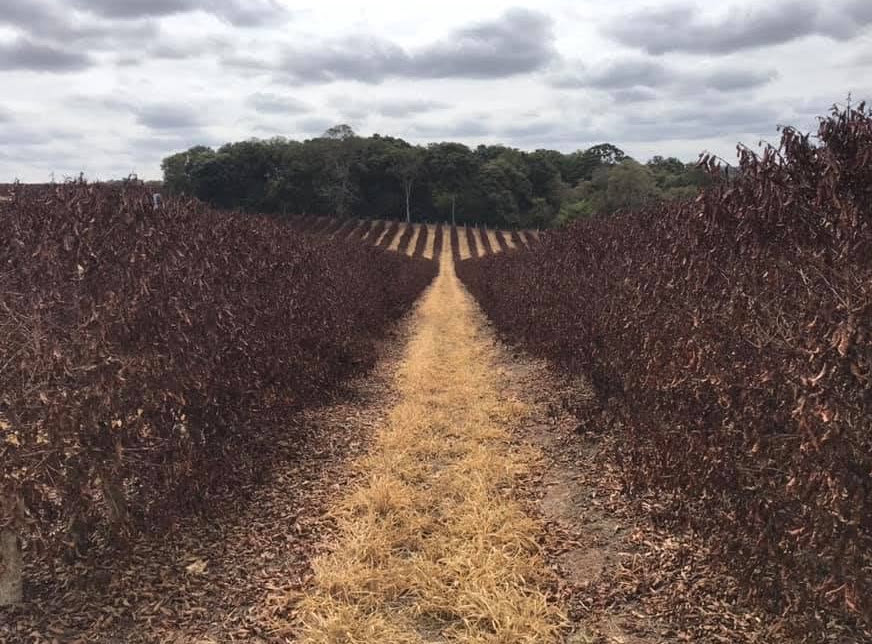 Before the frostAfter
Winter in the coffee fields
Item 1 of 6
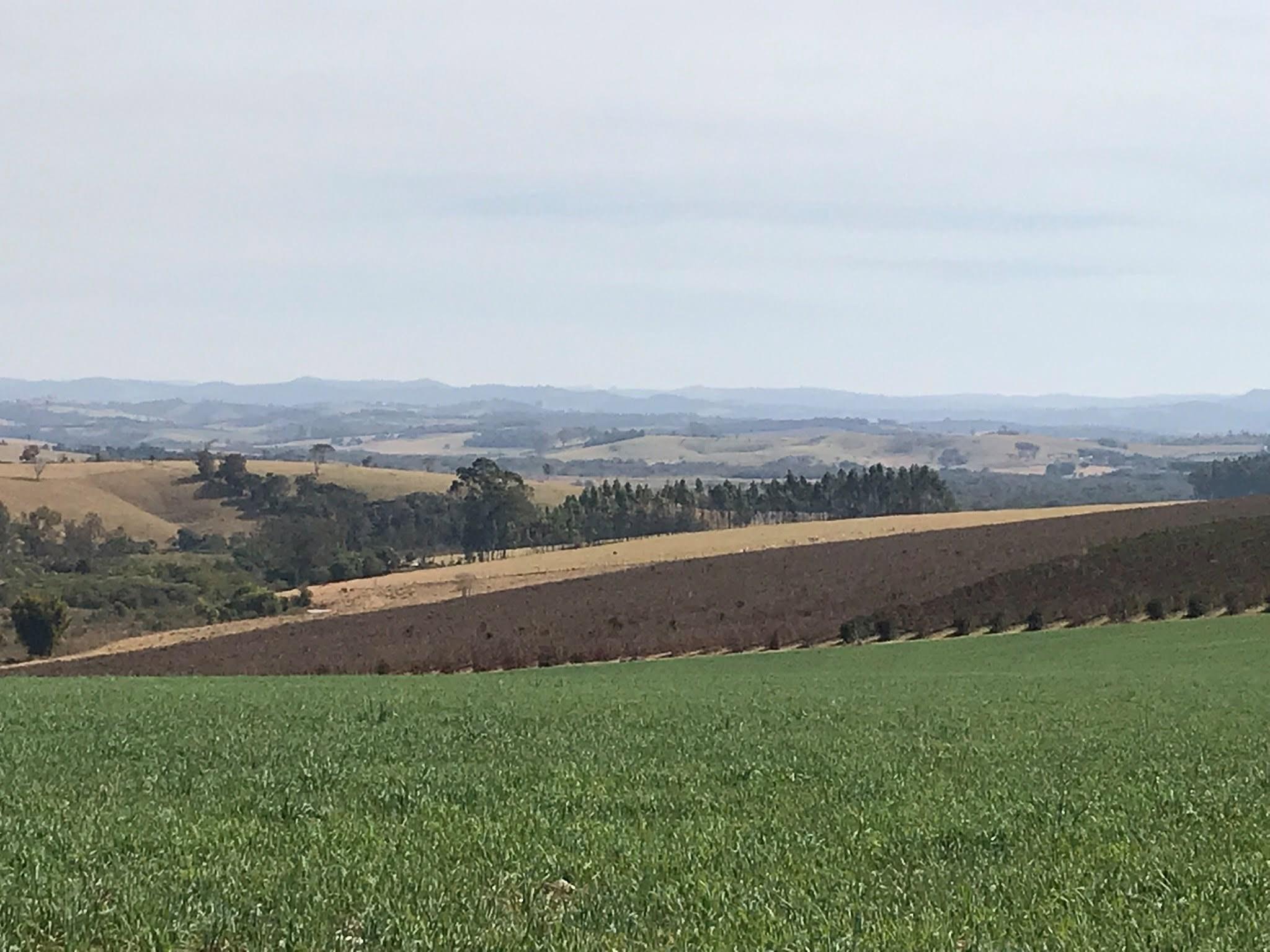
The tracks are gone, the station is a memory, and the manor house still stands. Today the farm produces specialty coffee and grains, hosts technical visits and roasts its own coffee. In 2014 the Minas Rural program showed the turn to coffee; in June 2022, TV Alterosa told the story again.
Two TV reports tell the same story in the voices of the people who live it.
The story is still being written with every harvest. Follow the next journey of Fazenda Movimento.
If your family lived near the station, rode those trains or passed by the manor house, we would like to hear from you. Photos, names and stories help complete this map.
Send a memory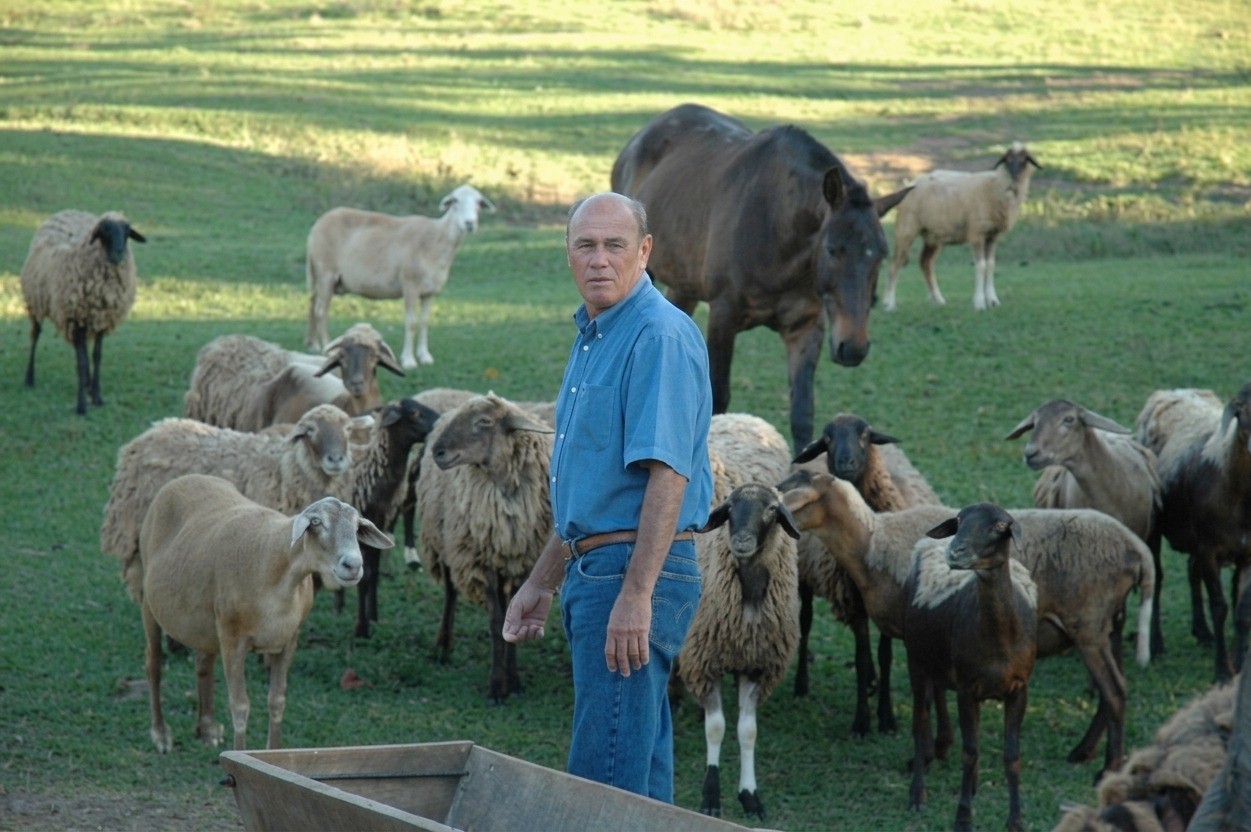

Born 1936Died 2012
Came to the farm in 1985.
Nelson Barbosa de Lima at the farm.